
The Invisible Posture Load: How Modern Life Affects Your Body Over Time
Modern life adds small postural stresses all day long — and over time, that invisible load adds up.
How Modern Life Adds Up in Your Body
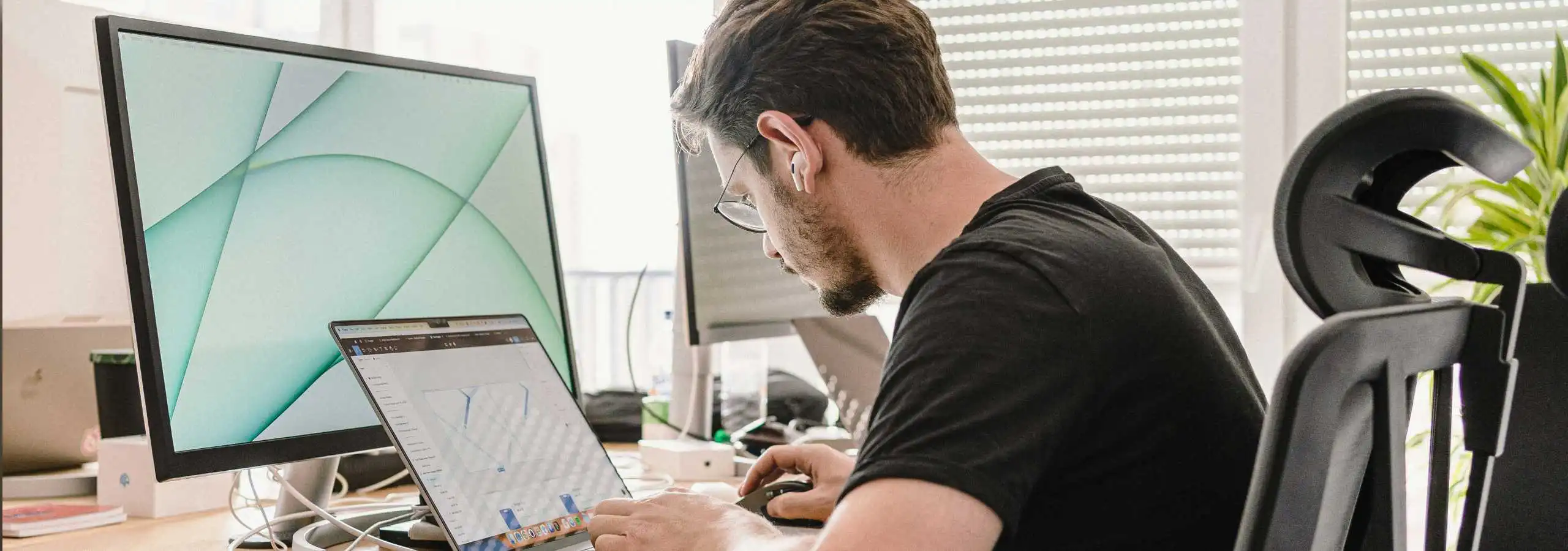
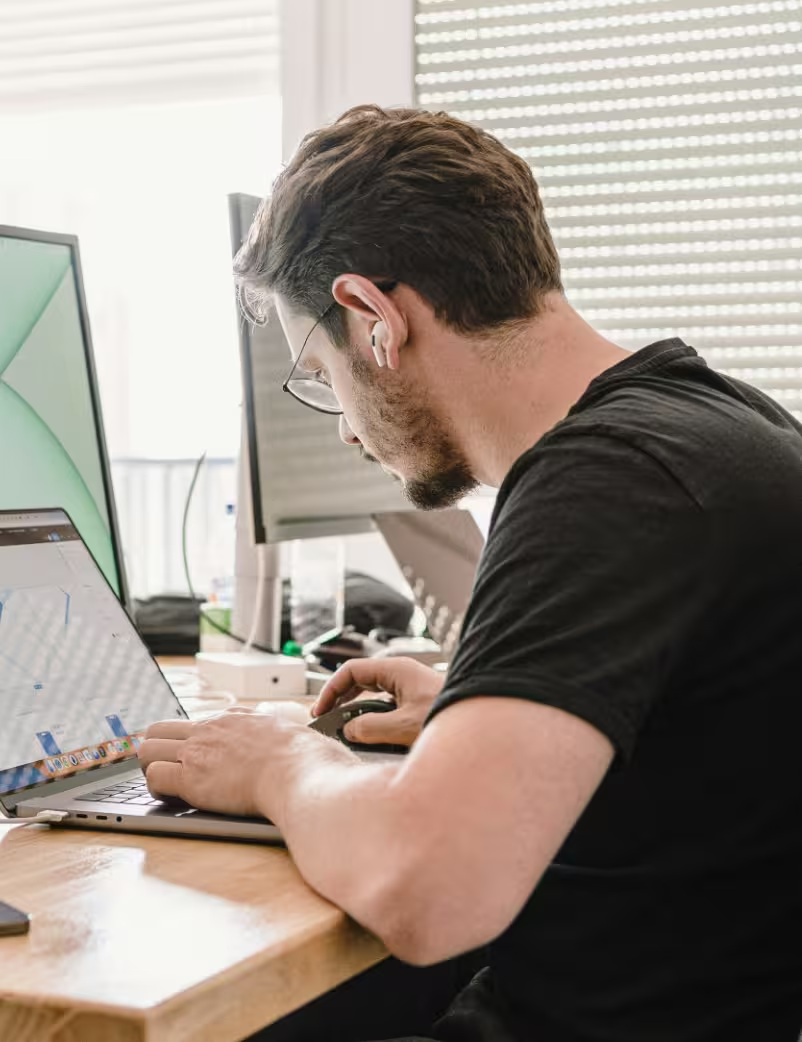
When people hear "posture problem," they usually picture someone slumped over a desk. And while desk posture does matter, it's only part of the story.
Modern life places stress on your body in many small, quiet ways that don't feel like a problem in the moment. Over time, though, these small stresses accumulate — and your body starts to feel the effects. This is what we call the "invisible posture load."
What Is the Invisible Posture Load?
Invisible posture load is the cumulative stress your body carries throughout the day — not from one injury or single movement, but from the combined effect of many small, repeated positions and habits.
It builds through everyday activities most of us don't think twice about:
- Looking down at your phone
- Driving for extended periods
- Cooking, cleaning, or doing chores
- Carrying bags, groceries, or children
- Sitting in soft chairs or on the couch
- Standing still for long periods
None of these feels like a serious issue on its own. Together, they add up.
Why It Matters
Your body responds more to repeated stress than to a single moment. When the same positions and movements occur throughout your day, certain areas can become overloaded — even without a specific incident to point to.
Over time, this may show up as:
- Neck and shoulder tightness
- Low back stiffness
- Headaches
- That "stuck" or heavy feeling by the end of the day
The issue usually isn't one "bad posture" — it's the total daily load.
Simple Ways to Reduce the Load
The good news is that small changes throughout your day can make a meaningful difference. You don't need to overhaul your routine — you just need to introduce more variety and movement.
Change Positions Often
Instead of holding one position for long stretches, shift regularly. Even subtle changes — adjusting your seat, switching sides, or moving to a different spot — help distribute load more evenly across your body.
Take Short Movement Breaks
Aim to stand, stretch, or walk briefly every 30–60 minutes. Short movement breaks interrupt the buildup and keep joints and muscles from stiffening.
Add Small Walks or Stretches
You don't need a structured workout. A few minutes of gentle movement — a short walk, a shoulder roll, a hip stretch — can go a long way in reducing tension that builds through the day.
The Bottom Line
Modern life doesn't strain your body in one dramatic way — it adds small stresses throughout the day that accumulate over time. The solution isn't perfect posture. It's more movement, more variety, and less time locked into any single position.
Ready to feel better?
At Trenton Integrative Health Centre, we believe healthcare works best when it’s collaborative, respectful, and centered on the individual. Our integrative team works together to support your health with personalized, thoughtful care. Discover how a coordinated approach can help you feel stronger, clearer, and more in control of your wellbeing.