
Acupuncture
Restore Balance and Energy
Gentle, targeted treatments help reduce pain, improve circulation, and support your body’s natural healing response.


Support balance.
Relieve pain.
Restore ease in your body.
Acupuncture is a time-tested therapy used to support the body’s natural healing processes. At Trenton Integrative Health Centre, we offer both Traditional (meridian-based) acupuncture and Contemporary acupuncture (dry needling). While these approaches are grounded in different frameworks, both are used thoughtfully and collaboratively to reduce pain, improve function, and support overall wellbeing.
Your care is guided by your goals, your comfort level, and the type of support your body needs—whether that’s whole-body balance or targeted musculoskeletal relief.
Traditional Acupuncture
Restore balance through meridian-based care
Traditional acupuncture is rooted in Traditional Chinese Medicine (TCM), which views health as the result of balanced energy (Qi) moving freely through the body along pathways called meridians. Acupuncture points along these meridians are gently stimulated to support the function of organs and tissues and encourage balance within the body.
At TIHC, traditional acupuncture is provided by our naturopathic doctor, who designs an individualized treatment plan informed by a detailed health history and your specific goals.
This approach may be helpful for a wide range of concerns, including:
- Anxiety and depression
- Fertility support, infertility, and IVF preparation
- Menopause and hormonal changes
- Insomnia and fatigue
- Weight management
- Smoking cessation
- Chronic pain and stress-related conditions
Traditional acupuncture is often chosen by patients looking for a holistic, systems-based approach to their health.
Treatments provided by Dr. Alison Cockerill, ND.
Contemporary Acupuncture
Targeted relief for muscle and joint pain
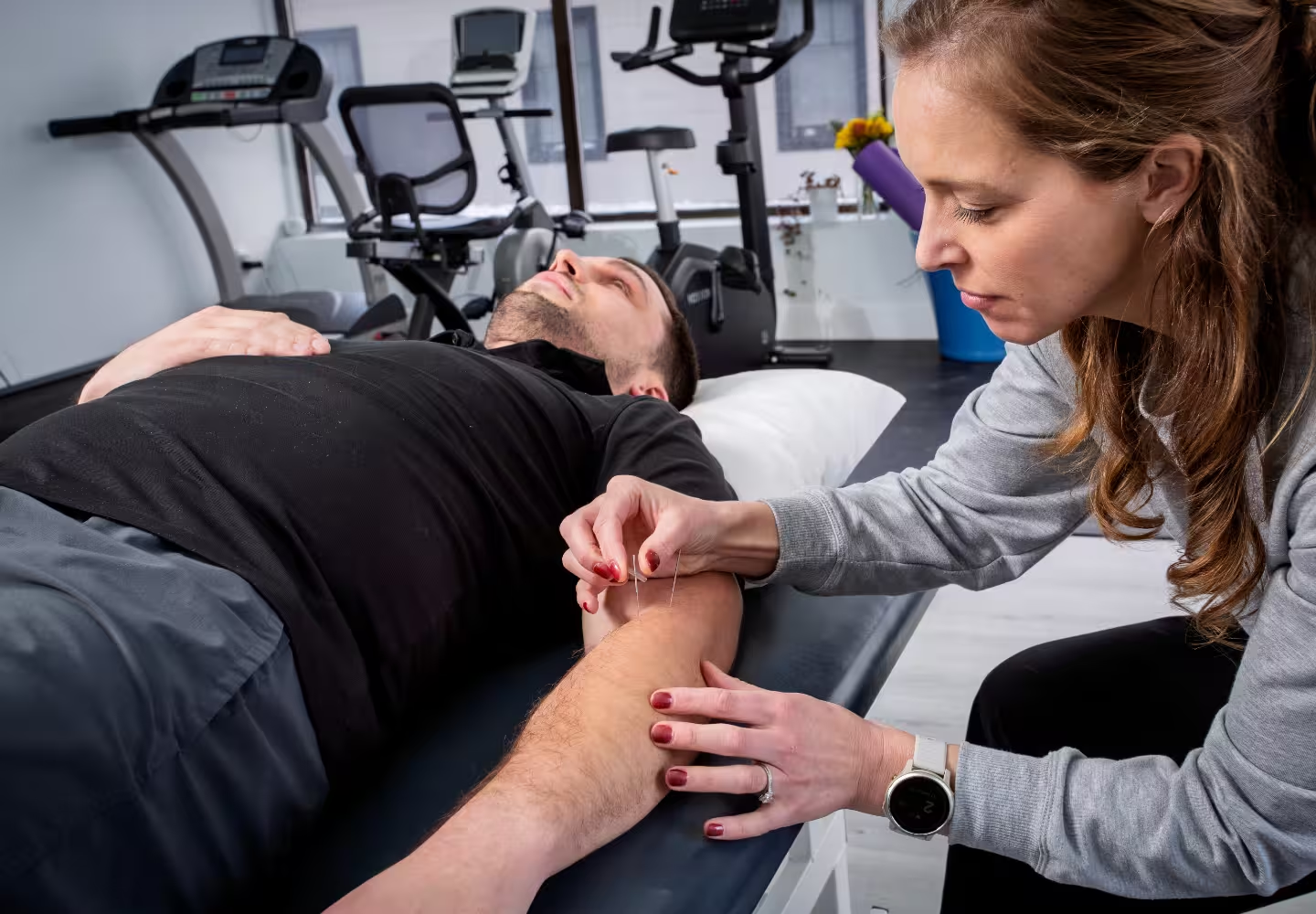
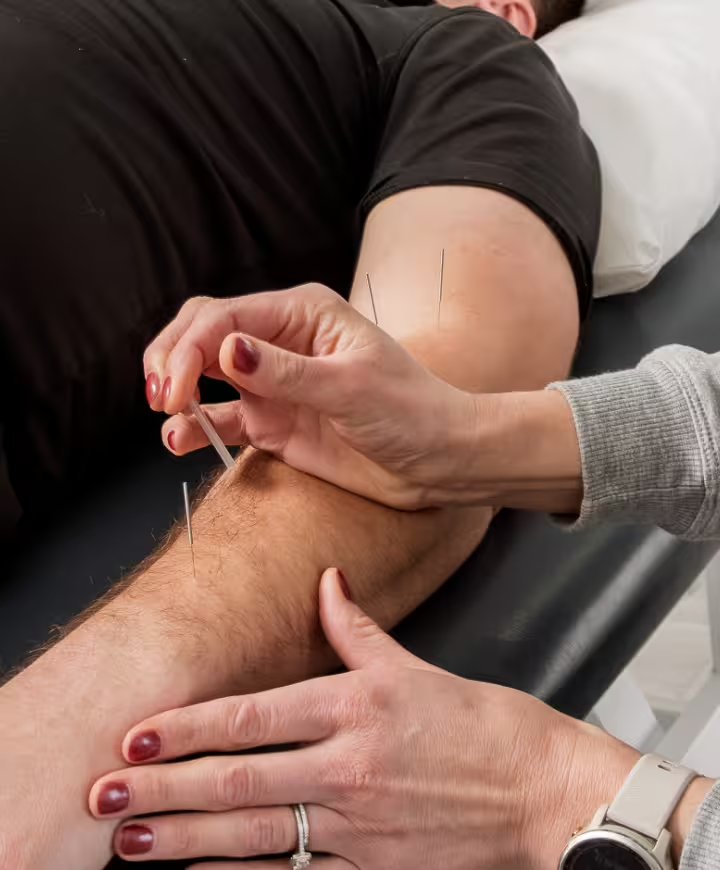
Contemporary acupuncture—often referred to as dry needling or medical acupuncture—is primarily used to treat musculoskeletal pain and movement restrictions. Rather than focusing on meridians, this approach targets specific muscles, trigger points, and irritated tissues that contribute to pain and dysfunction.
Fine needles are inserted directly into the affected tissue to help release muscle tension, improve circulation, and reduce pain. Needles may be stimulated manually or with a gentle electrical current, depending on your needs and comfort.
At TIHC, contemporary acupuncture is performed by regulated healthcare professionals such as chiropractors and physiotherapists, who use it as an adjunct to hands-on therapy, rehabilitation, and movement-based care.
This approach is commonly used for:
- Neck and back pain
- Muscle tension and trigger points
- Sports and overuse injuries
- Joint pain and stiffness
- Headaches related to muscle tension
Thoughtful, Collaborative Care
At TIHC, acupuncture is never a one-size-fits-all treatment. We take the time to understand what you’re experiencing, explain how each approach works, and help you decide which type of acupuncture—or combination of therapies—makes the most sense for you.
We believe the best outcomes happen when care is collaborative. You’ll always know why a technique is being used, what to expect, and how it fits into your overall treatment plan. Acupuncture is often integrated with chiropractic care, physiotherapy, massage therapy, or naturopathic medicine to support long-term results.
What to Expect
Your first visit includes a discussion of your health history, current concerns, and goals. Your practitioner will explain the recommended approach, answer any questions, and ensure you feel comfortable before treatment begins.
During treatment, most patients find acupuncture surprisingly relaxing. Sensations vary but are typically mild and brief. Afterward, some people notice immediate relief, while others experience gradual improvement over several sessions.
Your practitioner will discuss follow-up recommendations and how acupuncture fits into your broader care plan.
Real Life Impact
Patients often describe acupuncture as a turning point—not just for pain relief, but for how their body feels day to day. Many notice improved movement, better sleep, reduced tension, and a greater sense of ease in their body.
For some, the impact is returning to activities they’ve been avoiding; for others, it’s finally feeling calm, rested, or resilient again. Whether your goal is pain relief, improved function, or whole-body balance, acupuncture can play a meaningful role in helping you feel more like yourself.

Our Acupuncture Providers
Focused on your comfort and goals, our acupuncture team members create individualized treatment plans to ease discomfort, support healing, and help you feel more balanced and energized.



Ready to feel better?
If you’re ready to feel more balanced, reduce pain, and support your body’s natural healing, TIHC's acupuncture providers are here to help. Book your session today and take the first step toward renewed wellness and vitality.

FAQs
Common questions our patients ask.
TIHC offers both traditional acupuncture and contemporary acupuncture (sometimes called dry needling). Traditional acupuncture is provided by our naturopathic doctor and is rooted in Traditional Chinese Medicine, while contemporary acupuncture is used by chiropractors and physiotherapists to support pain relief and movement.
Traditional acupuncture focuses on restoring balance within the body using acupuncture points along meridians. Contemporary acupuncture or dry needling targets tight or irritated muscles and soft tissues to help reduce pain and improve function.
Most people tolerate treatment very well. The needles used are extremely thin, and sensations are typically mild and brief. Some patients feel a small twitch, ache, or release in the muscle during treatment.
Acupuncture may help with muscle tension, joint pain, headaches, stress, sleep concerns, neck and back pain, sports injuries, and other movement-related or wellness concerns.
Yes. At Trenton Integrative Health Clinic, acupuncture is often integrated with chiropractic care, physiotherapy, or rehabilitation exercises as part of a coordinated treatment plan.