
Pelvic Health Physiotherapy
Support Core and Pelvic Health
Specialized assessment and treatment to improve pelvic stability, reduce pain, and restore confident movement.
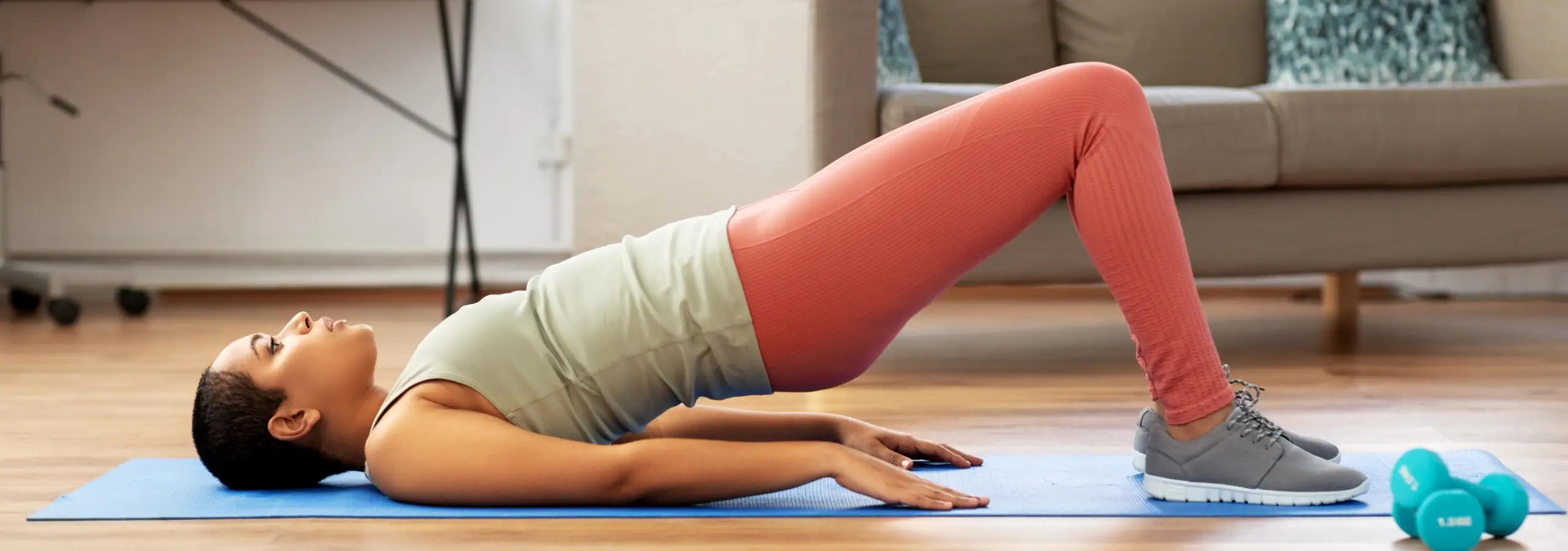

More control.
More comfort.
More confidence.
Pelvic Health Physiotherapy is a specialized area of physiotherapy focused on assessing and treating dysfunction of the pelvic floor muscles in people of all genders. These muscles play a critical role in bladder and bowel control, core stability, sexual function, and overall movement.
At Trenton Integrative Health Centre, pelvic health physiotherapy is delivered with care, discretion, and respect. Treatment is individualized, evidence-informed, and designed to help you regain control, reduce discomfort, and feel more confident in your body—without embarrassment or judgment.
What We Help With
Pelvic health physiotherapy can support a wide range of concerns, including:
- Bladder or bowel incontinence (stress or urge)
- Other bladder or bowel conditions
- Pain or discomfort with sexual intercourse
- Pelvic pain conditions
- Prenatal and postpartum care and rehabilitation
- Pelvic organ prolapse
- Diastasis recti (abdominal separation)
- Low back or pelvic-related pain
- Prostate-related conditions
Many of these concerns are more common than people realize—and highly treatable with the right care.
How Pelvic Health Physiotherapy Helps
Pelvic floor dysfunction often develops gradually and may be influenced by pregnancy, childbirth, surgery, hormonal changes, posture, breathing patterns, or chronic tension.
Treatment focuses on improving pelvic floor function through a combination of:
- Targeted exercises
- Hands-on therapy
- Education and awareness
- Lifestyle and movement modifications
Rather than “just doing exercises,” care is centred on understanding how your pelvic floor works with the rest of your body—and restoring coordination, strength, and relaxation where needed.
Your Care, in Partnership
We understand that pelvic health concerns can feel personal, vulnerable, or difficult to talk about—especially if you’ve felt dismissed or rushed in the past.
At TIHC, pelvic health physiotherapy is a collaborative process. You’ll be supported with clear explanations, practical education, and ongoing check-ins to ensure your care feels safe, respectful, and effective. Treatment plans evolve with you, based on your comfort, feedback, and goals.
What to Expect
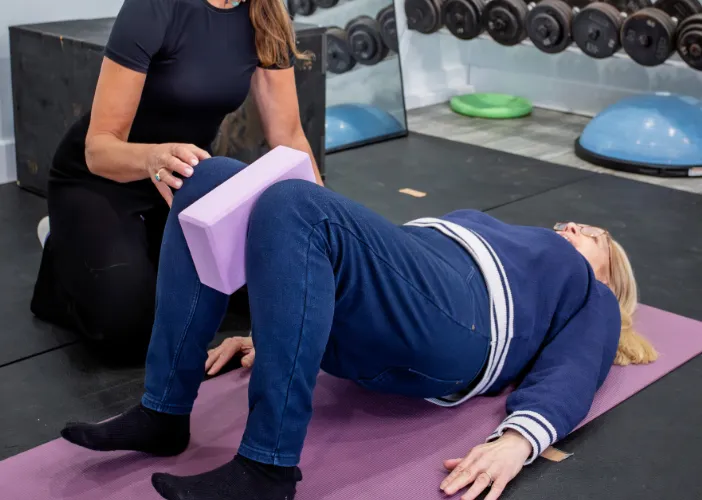
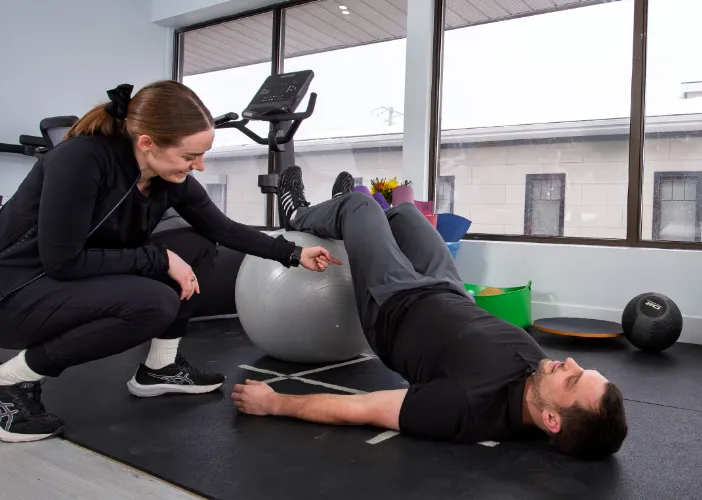
Your first appointment begins with a detailed intake and conversation about your symptoms, health history, and goals. Your physiotherapist will then complete a comprehensive assessment to identify factors contributing to your concerns.
This may include an external and/or internal examination to assess muscle tone, strength, coordination, and tension. Any assessment or treatment is always explained in advance, performed only with your informed consent, and adapted to your comfort level.
Together, you and your physiotherapist will create a clear, personalized treatment plan focused on meaningful progress and realistic outcomes.
Real Life Impact
When pelvic health treatment is successful, patients often notice improvements that reach far beyond symptom relief. Many regain confidence in daily activities, feel more at ease in their bodies, and experience less fear or frustration around movement, intimacy, or day-to-day life.
Whether it’s returning to exercise, navigating pregnancy or postpartum recovery, reducing pain, or simply feeling more in control, pelvic health physiotherapy can be a meaningful step toward comfort, confidence, and quality of life.

Our Pelvic Health Physiotherapist
Our specifically trained physiotherapist provides gentle, confidential, and collaborative care, helping you rebuild strength, function, and confidence in a safe and supportive environment.

Ready to feel more comfortable and confident in your body?
Book a Pelvic Health Physiotherapy appointment at TIHC today and take a supportive, private step toward lasting relief and improved function.

FAQs
Common questions our patients ask.
In Ontario, no referral is required — you can self-refer directly.
Some extended health plans may require one for reimbursement, so it’s always good to check your insurance policy.
No. Some people benefit from strengthening exercises, but many require relaxation, coordination, mobility work, and breathing retraining. Overactive or tense pelvic floor muscles can contribute to pain, bladder symptoms, and difficulty emptying — and often respond best to down-training rather than strengthening.
Yes. Even long-standing pelvic health concerns respond well to treatment.
While chronic symptoms may take longer to fully resolve, meaningful improvement in pain, function, and quality of life is possible and common, regardless of age.
No. While internal assessment can provide helpful clinical information in some cases, many pelvic health concerns can be treated effectively without one. All assessments and treatments are consent-based, and your comfort is always the priority.